01
Marigot & Fort Louis
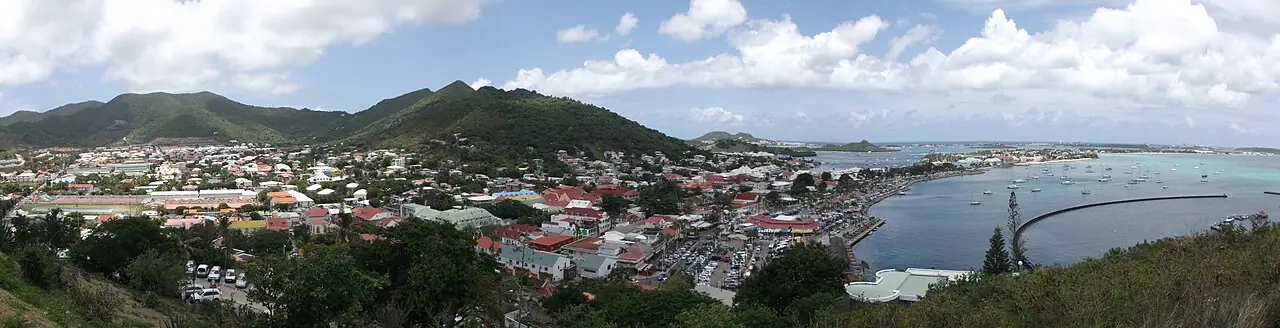
The French-side capital combines a waterfront market, Creole architecture and the hilltop remains of Fort Louis. Climb for a broad view across Marigot Bay and Anguilla.
 Request a charter →
01 · Island guide
A complete guide to the Friendly Island: beaches, villages, flavours, viewpoints and the experiences that give Saint Martin its unique character.
THE FRIENDLY ISLAND
Saint Martin is unlike any other Caribbean destination. The island is shared between the French collectivity of Saint-Martin in the north and Dutch Sint Maarten in the south, yet there is no physical border between them. In a single day, visitors can move from a quiet French village and a market scented with spices to a lively marina, an international restaurant and a beach where aircraft seem to skim the sand.
Its coastline is just as varied. The north and east reveal shallow lagoons, nature-rich islets and long, wind-brushed beaches. The west alternates sheltered bays, ochre cliffs and coves with calm blue water. Inland, green hills frame the sea, while Pic Paradis offers the island’s highest viewpoint. This compact geography makes Saint Martin rewarding both on land and from the water.
More than a list of places, Saint Martin is an atmosphere: French-Caribbean cooking in Grand Case, colourful stalls in Marigot, music on the Dutch side and the easy warmth that earned it the name “Friendly Island”. The guide below helps you understand each area before choosing the pace of your private boat experience.
Continue exploring
The French-side capital combines a waterfront market, Creole architecture and the hilltop remains of Fort Louis. Climb for a broad view across Marigot Bay and Anguilla.
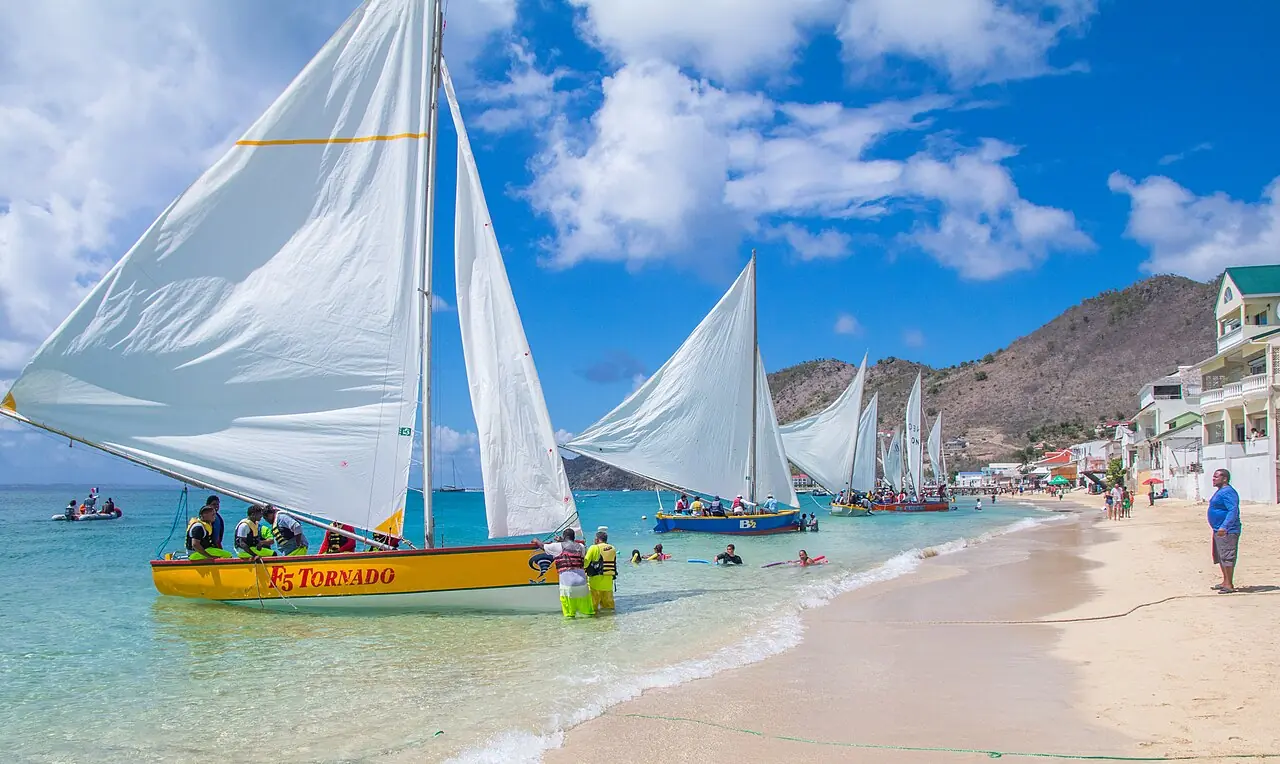
A fishing village known for its long beach, gourmet restaurants and traditional lolos. It is one of the island’s best places to understand local food culture.
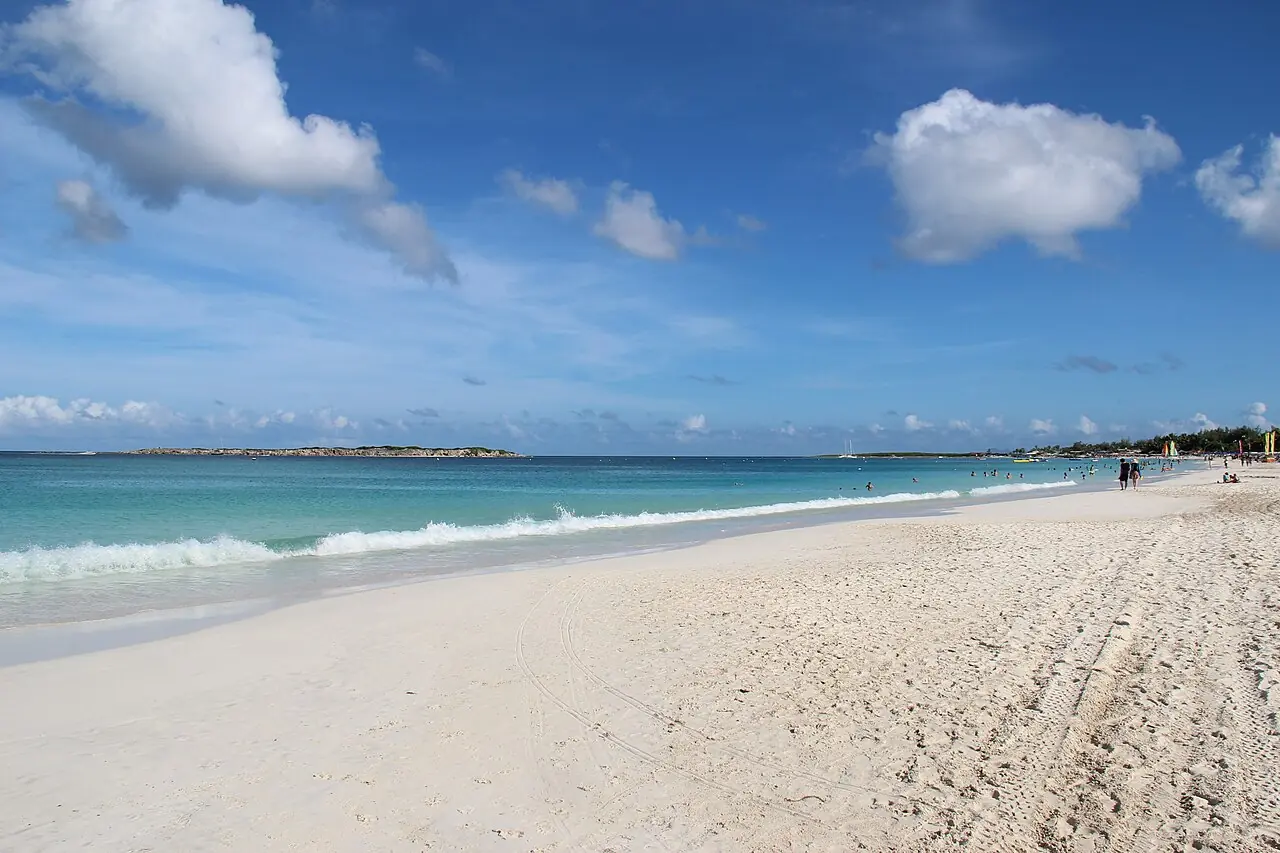
Orient Bay is broad and energetic; nearby Pinel Island offers shallow turquoise water and a more intimate setting reached by boat or small ferry.
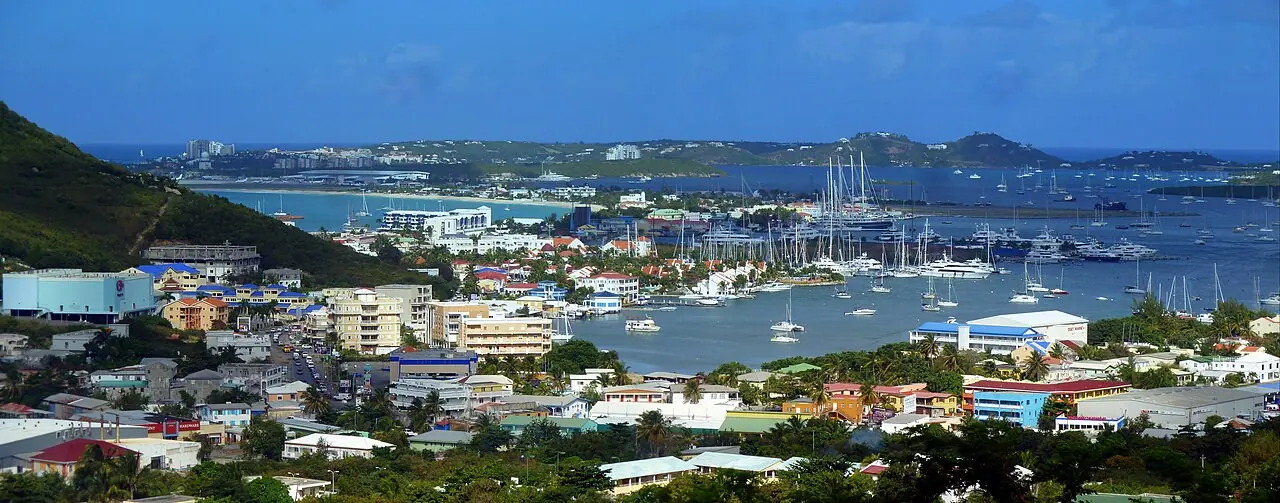
The Dutch side brings marinas, nightlife and the famous view of aircraft approaching Maho Beach. From the sea, the spectacle has a striking perspective.
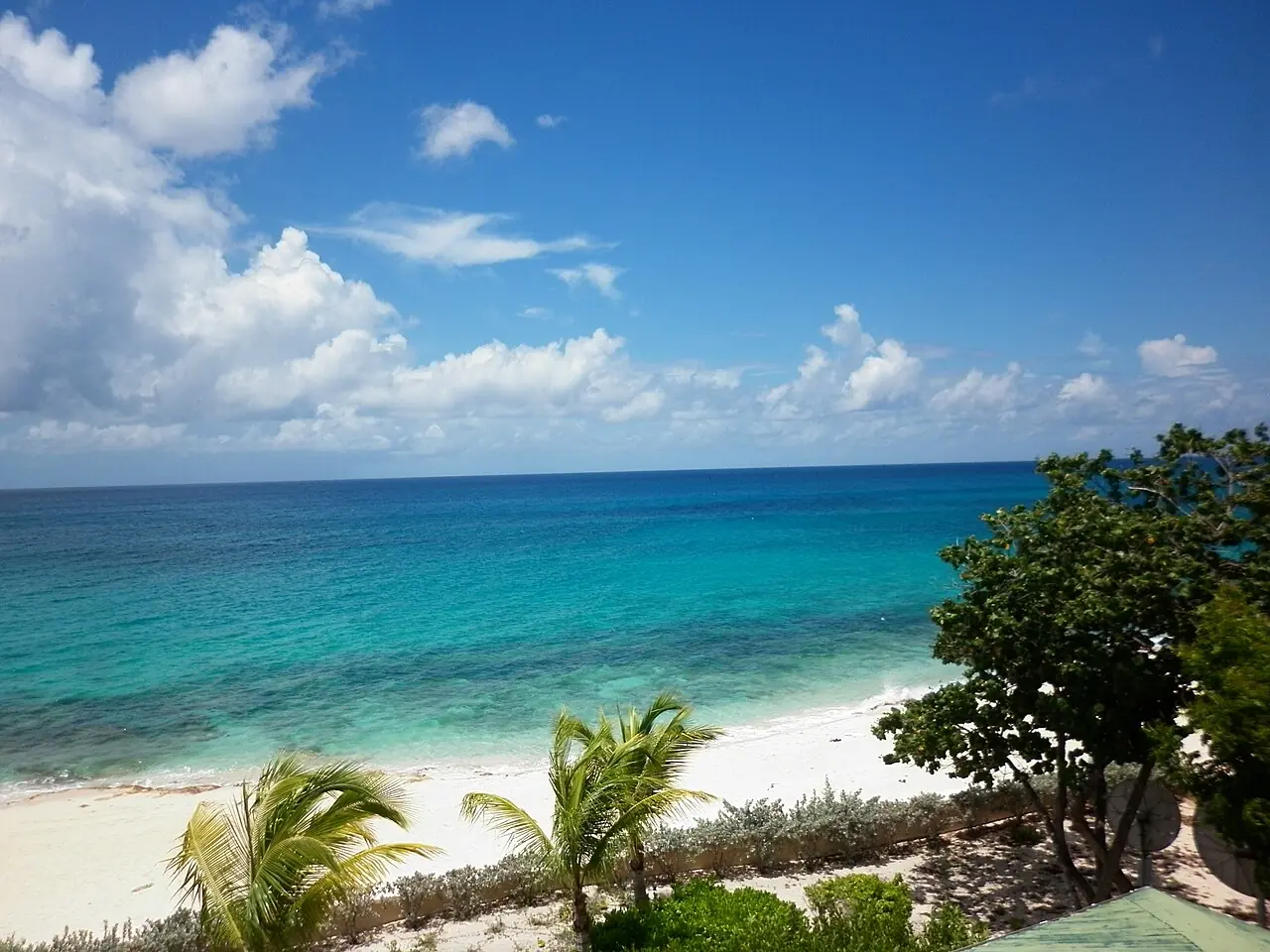
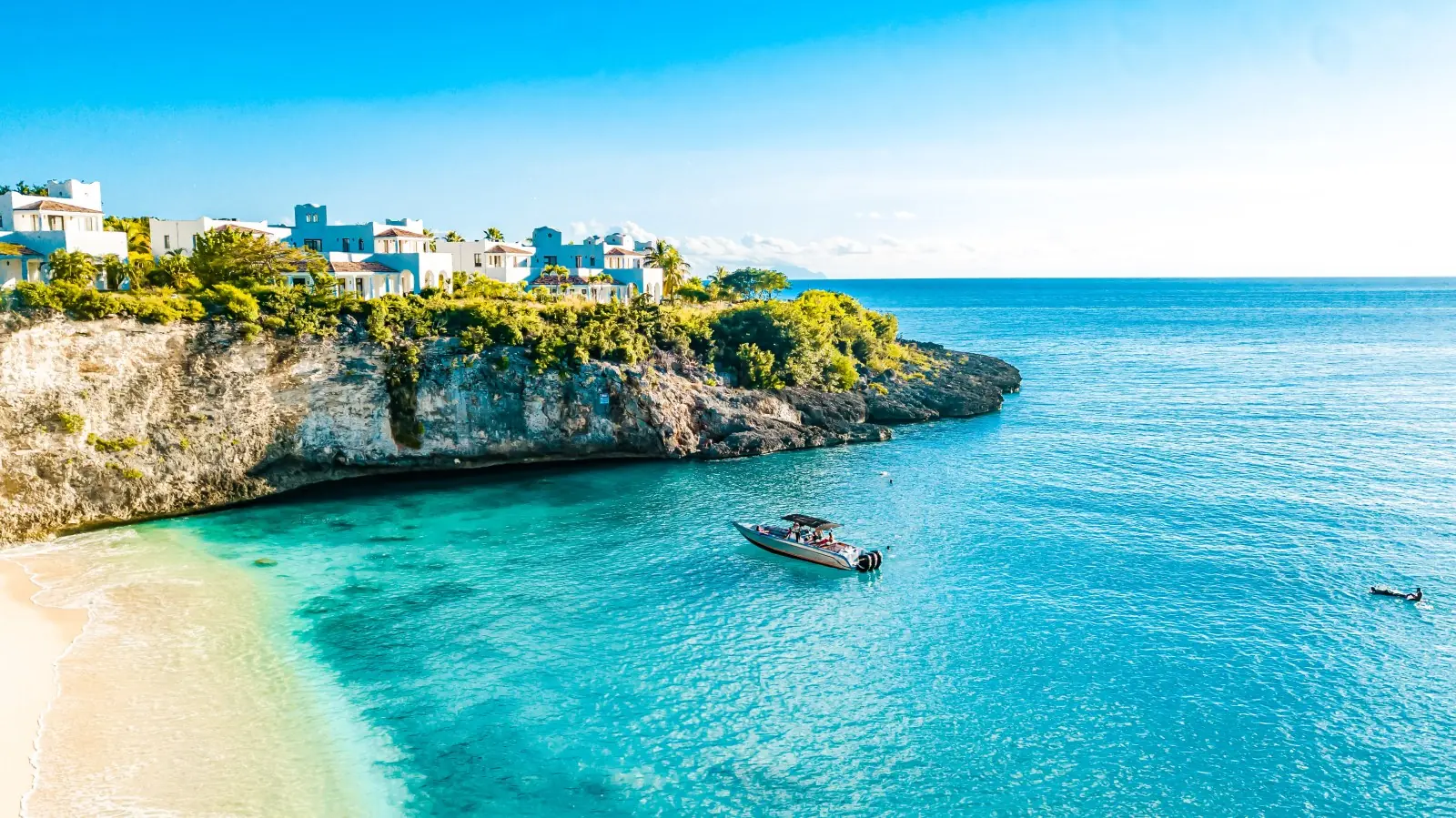
The western peninsula holds elegant villas, dramatic cliffs and beautiful beaches such as Baie Longue and Baie Rouge, with sunsets over the Caribbean.
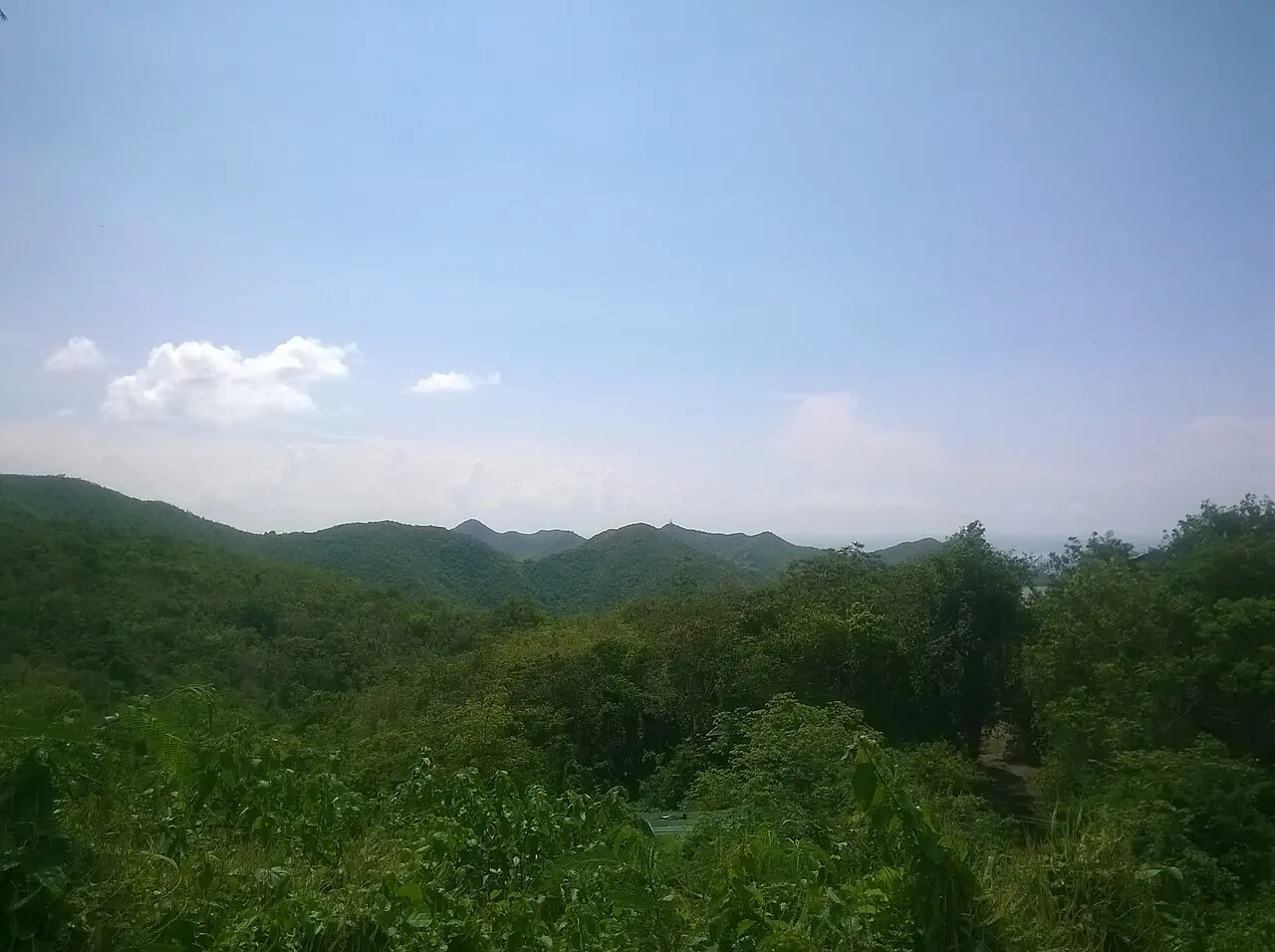
Pic Paradis, coastal trails, mangroves and offshore snorkeling areas reveal the island’s greener, quieter side beyond its famous beaches.
FLAVOURS AND CHARACTER
Saint Martin’s identity comes from movement and exchange. Amerindian heritage, European history, African and Caribbean traditions, and generations of arrivals have shaped a remarkably open culture. French and Dutch are official languages on their respective sides, while English is spoken almost everywhere.
Food is central to the experience. Grand Case pairs sophisticated tables with convivial lolos serving grilled fish, ribs, rice and plantain. Marigot’s market introduces tropical fruit, spices and local preparations. On the Dutch side, international influences range from Caribbean classics to contemporary cuisine.
The island is also shaped by the sea. The Simpson Bay Lagoon has long offered shelter to boats, while fishing traditions remain visible in Grand Case and other coastal communities. From the water, the transition between long sandy beaches, rocky headlands and green relief becomes especially clear. This maritime perspective helps explain why apparently nearby bays can have very different atmospheres and conditions.
Travellers who enjoy walking can combine the coast with short cultural and panoramic discoveries. Fort Louis overlooks Marigot and the Anguilla Channel, while Pic Paradis and the surrounding hills reveal a more tropical interior. Markets, galleries and small local businesses add depth to a beach day and provide an opportunity to meet the people who give the Friendly Island its welcoming reputation.
The best visit leaves room for contrast: a morning swim, a village walk, an unhurried lunch and a final view from the water. Conditions change with wind and swell, so local advice remains valuable when choosing beaches or a route.
PRIVATE EXPERIENCES
Choose the time that suits your day. Each detailed page explains the pace, likely highlights and what to expect from departure to return.
A focused half-day with swimming and one area of the coast explored comfortably.
View the detailed programme →Saint-Martin6 hoursA balanced day with more navigation, several highlights and time for an easy lunch.
View the detailed programme →Saint-Martin8 hoursThe most complete format, designed for variety, longer stops and an unhurried rhythm.
View the detailed programme →Practical information
The dry season generally runs through the northern winter and spring, while summer is warmer and more humid. Trade winds often make the heat comfortable. Beach and sea conditions can differ greatly from one coast to another on the same day.
For an itinerary staying around Saint Martin, follow the documents specified in your confirmation. A valid passport is required when the experience crosses an international border, including travel to Anguilla or Saint-Barthélemy.
Tourism reference: Saint Martin Tourist Office.