01
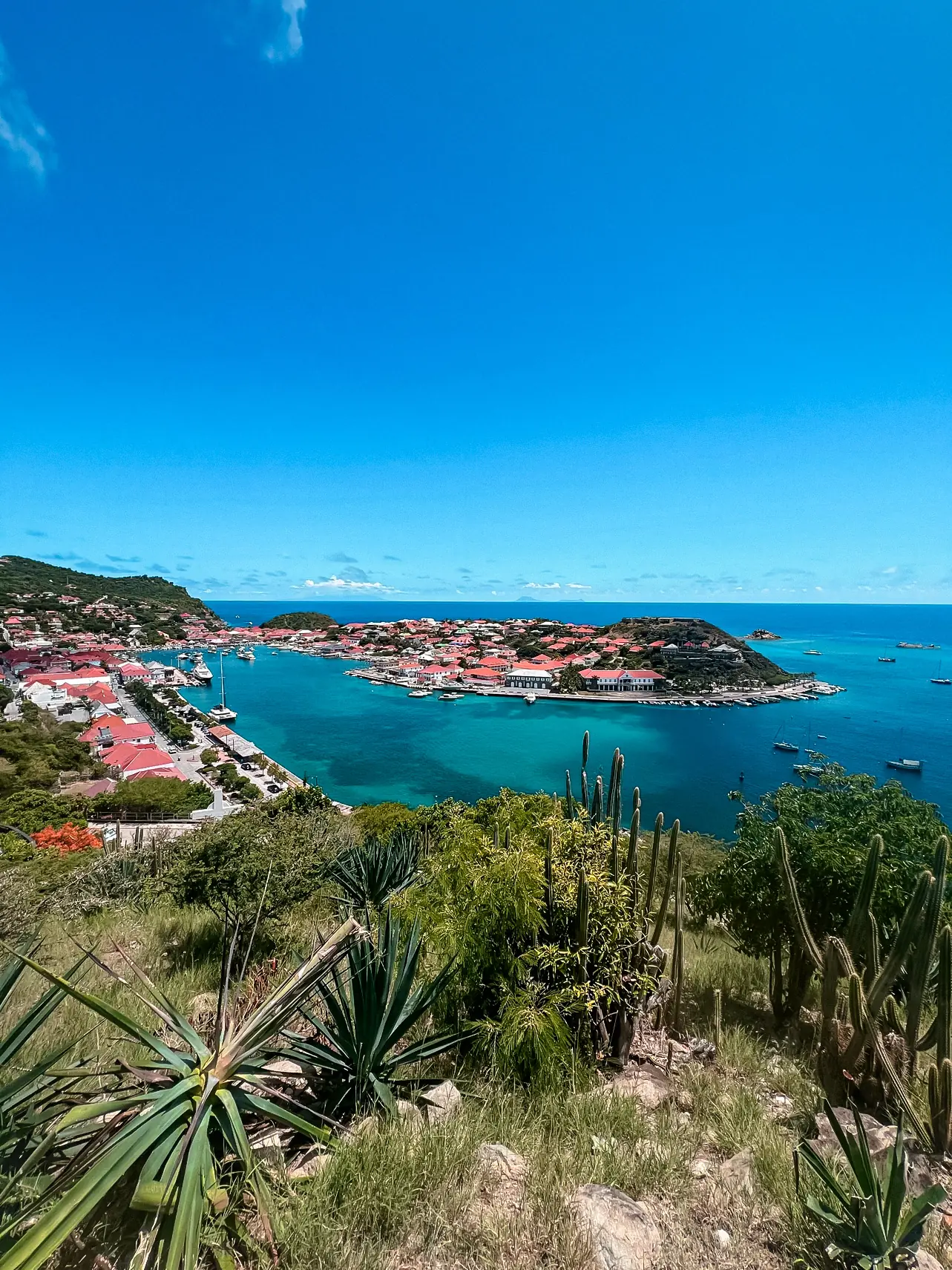
Gustavia
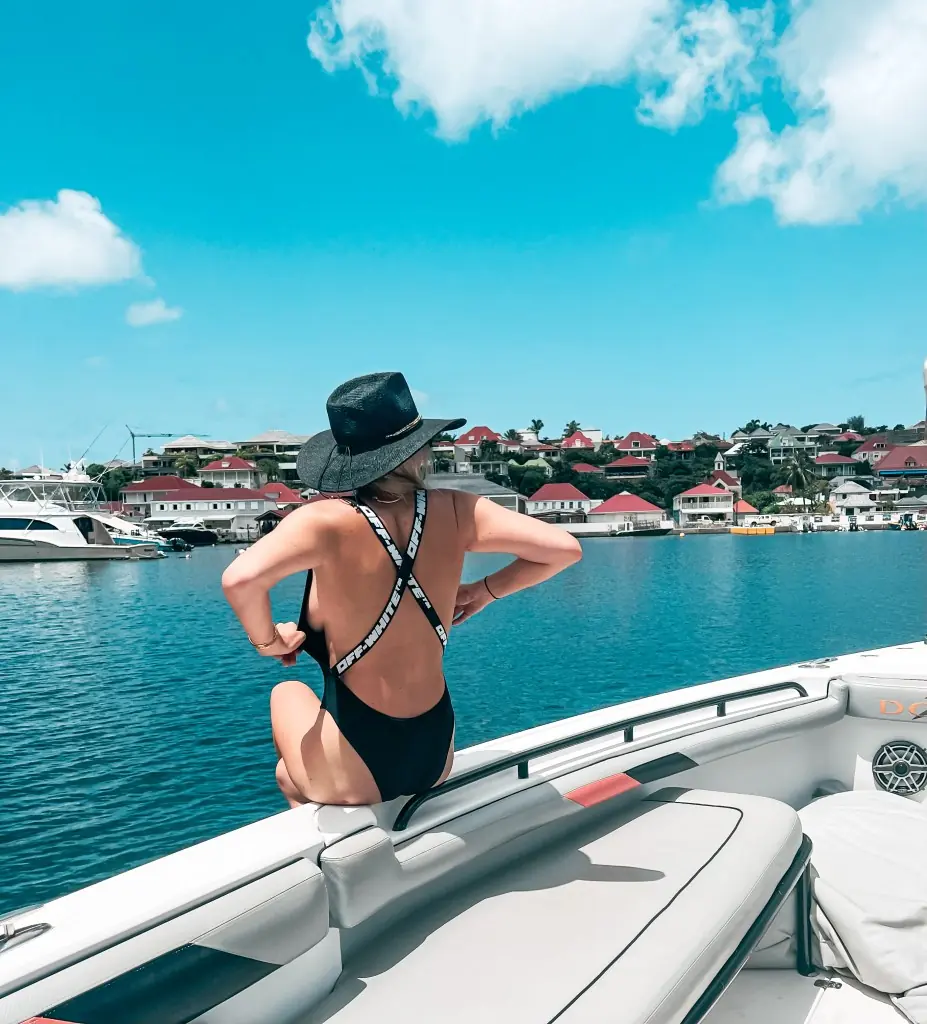
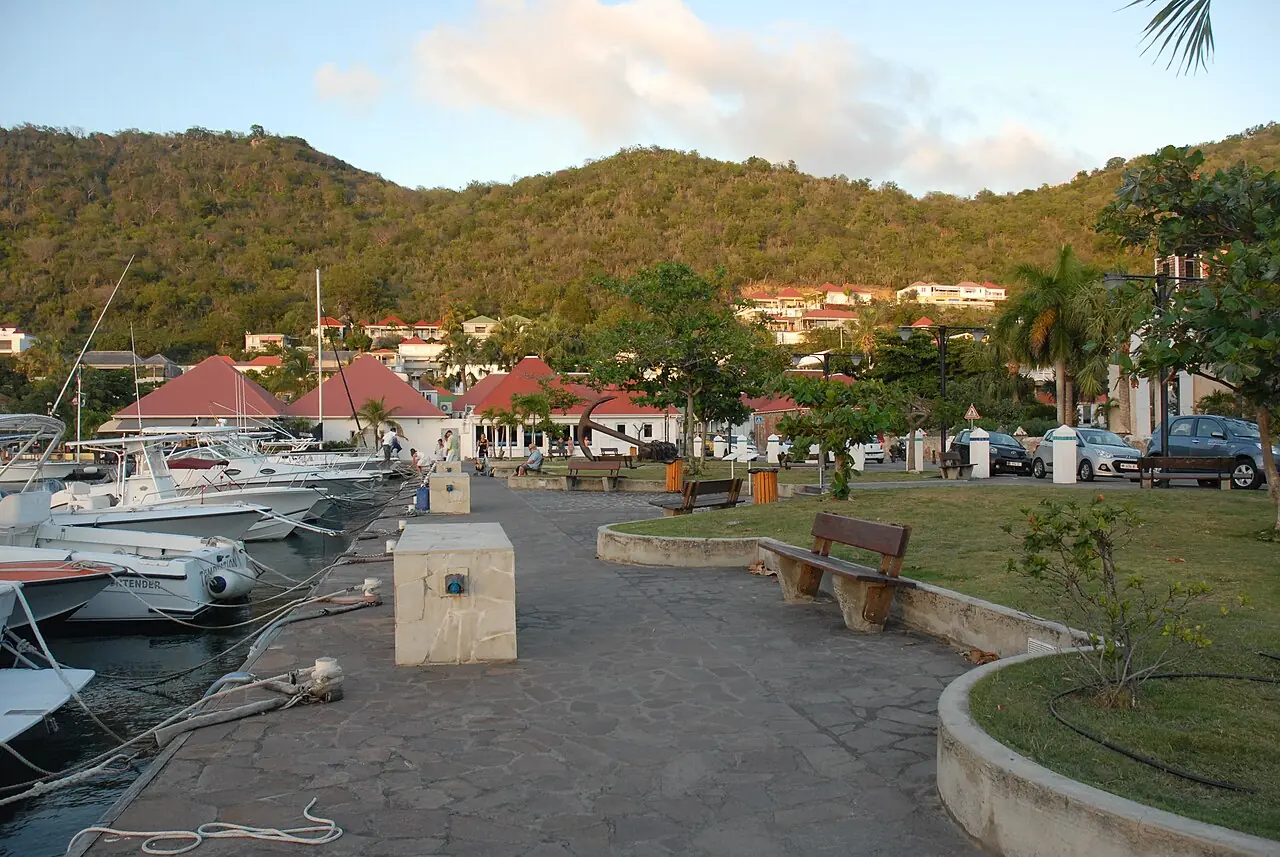
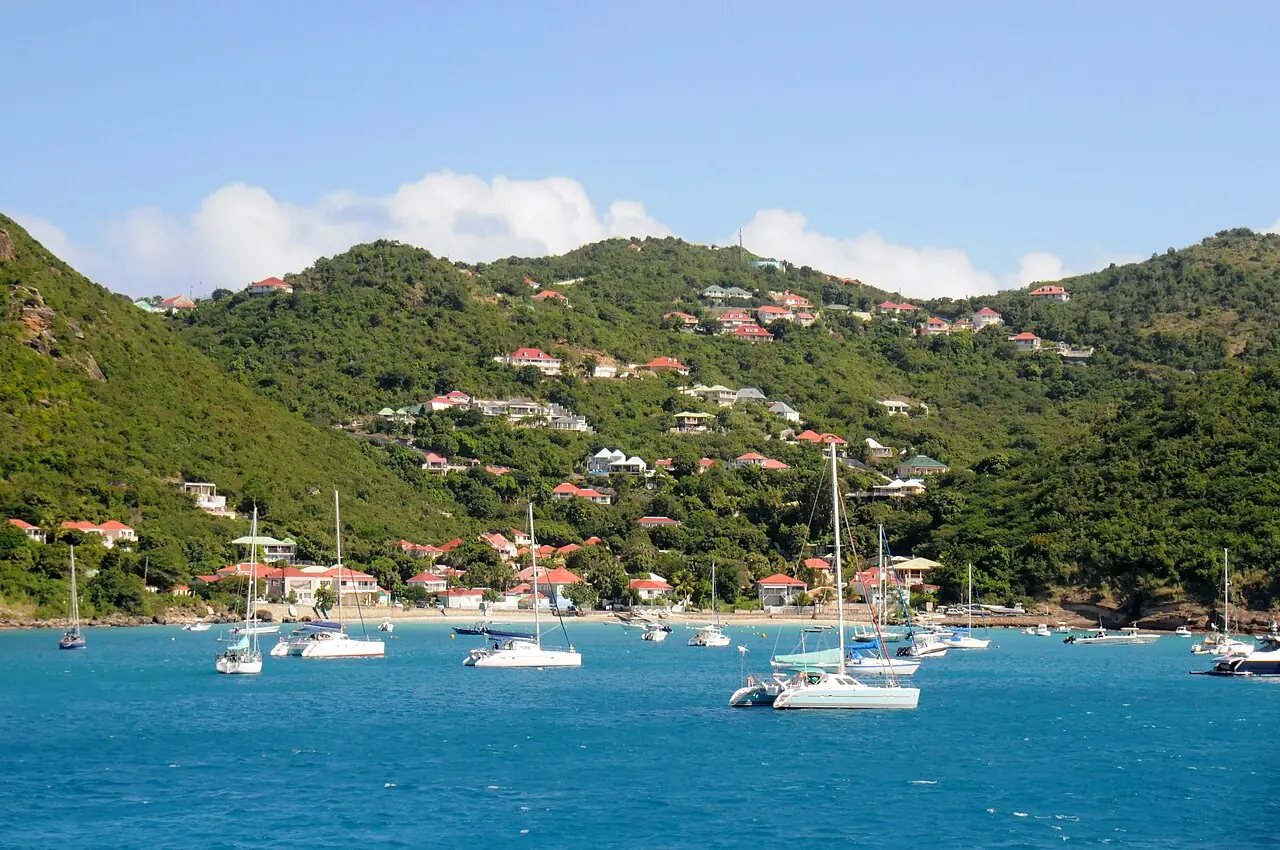
The harbour capital combines Swedish-era heritage, red-roofed streets, restaurants, boutiques and viewpoints above the port.
 Request a charter →
03 · Island guide
A complete guide to St Barth’s harbour elegance, discreet beaches, refined food and distinctive French-Caribbean art of living.
A DISTINCTIVE ART OF LIVING
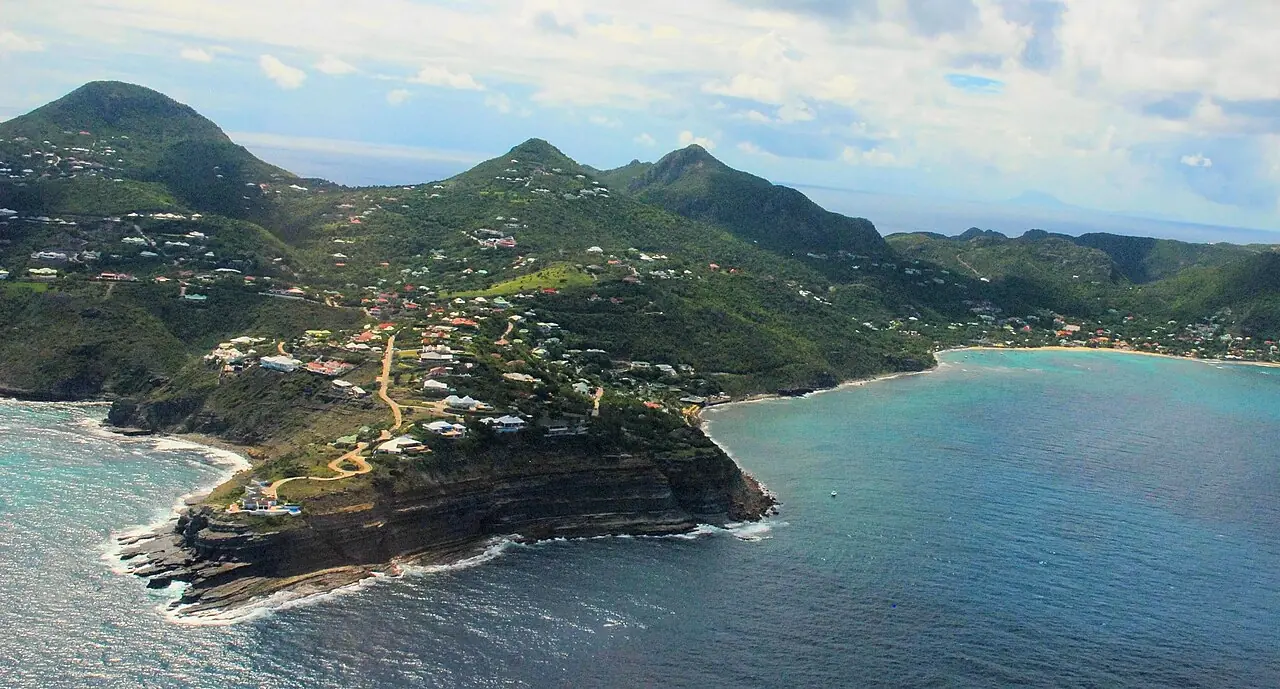
Saint Barthélemy, usually called St Barth, has built an international reputation on elegance, but the island’s real appeal lies in its balance. Gustavia brings red roofs, historic traces, boutiques and a harbour filled with sailing boats. A few minutes away, the landscape becomes quiet and elemental: dry hills, stone walls, small coves and the changing blues of the Caribbean.
The island is compact, yet each district has a clear identity. Saint-Jean is lively and sociable, Lorient feels more residential, Corossol preserves a traditional fishing-village atmosphere and Gouverneur or Saline offer dramatic land-based beach scenery. The scale encourages unhurried exploration rather than a race between landmarks.
St Barth also protects sensitive natural areas through specific regulations. A responsible boat experience respects authorised navigation and swimming zones, local instructions and the captain’s assessment. This guide presents the island itself, while the dedicated 6 and 8-hour pages explain how a day from Saint Martin can be structured without advertising stops in restricted reserves.
Continue exploring
The harbour capital combines Swedish-era heritage, red-roofed streets, restaurants, boutiques and viewpoints above the port.
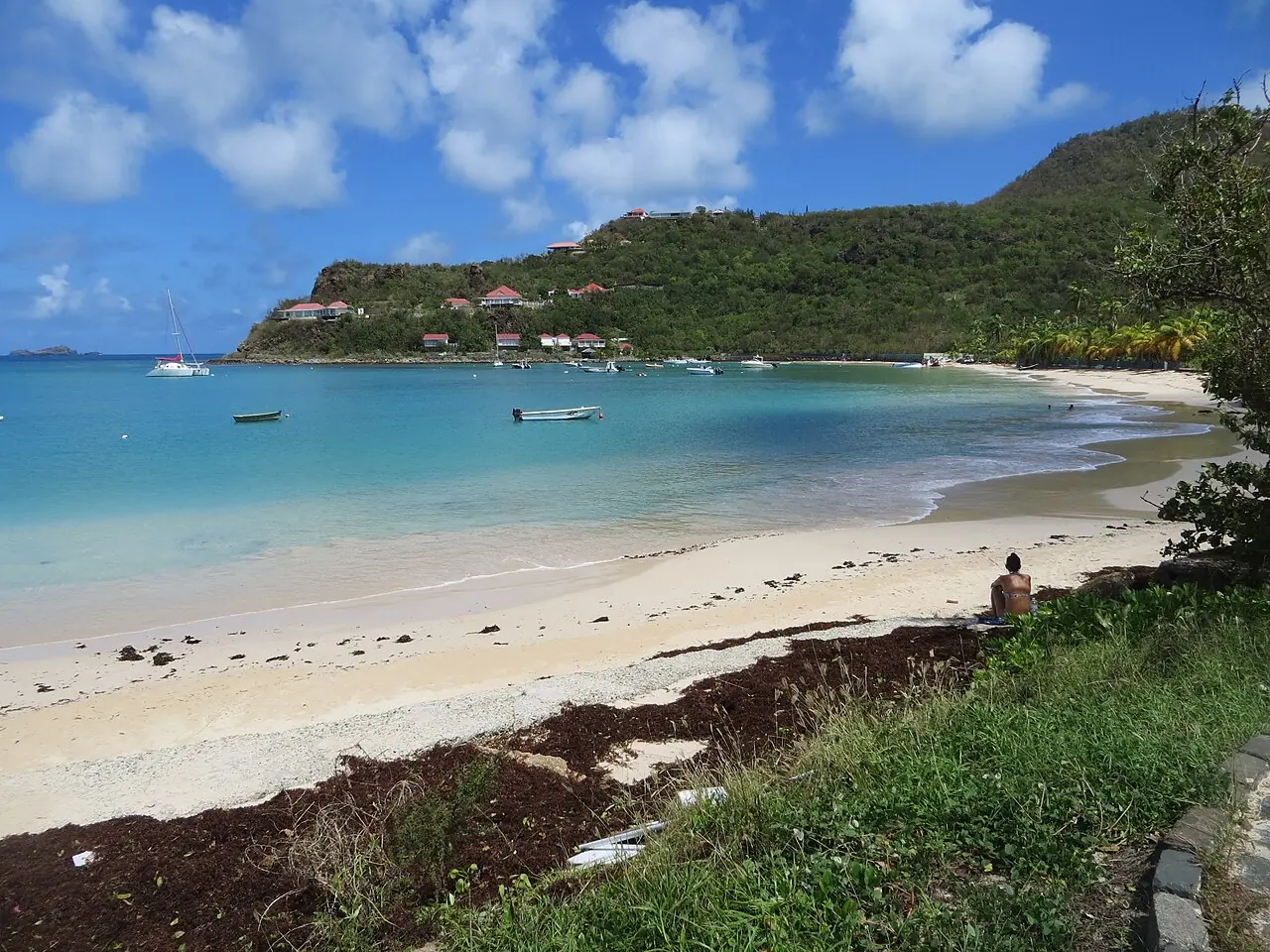
A lively bay known for its beach, relaxed addresses and iconic approach beside the island’s small airport.
A quieter neighbourhood with a village atmosphere, a broad beach and a strong connection to everyday island life.
This small fishing district preserves traditional character, colourful boats and reminders of local straw-working heritage.
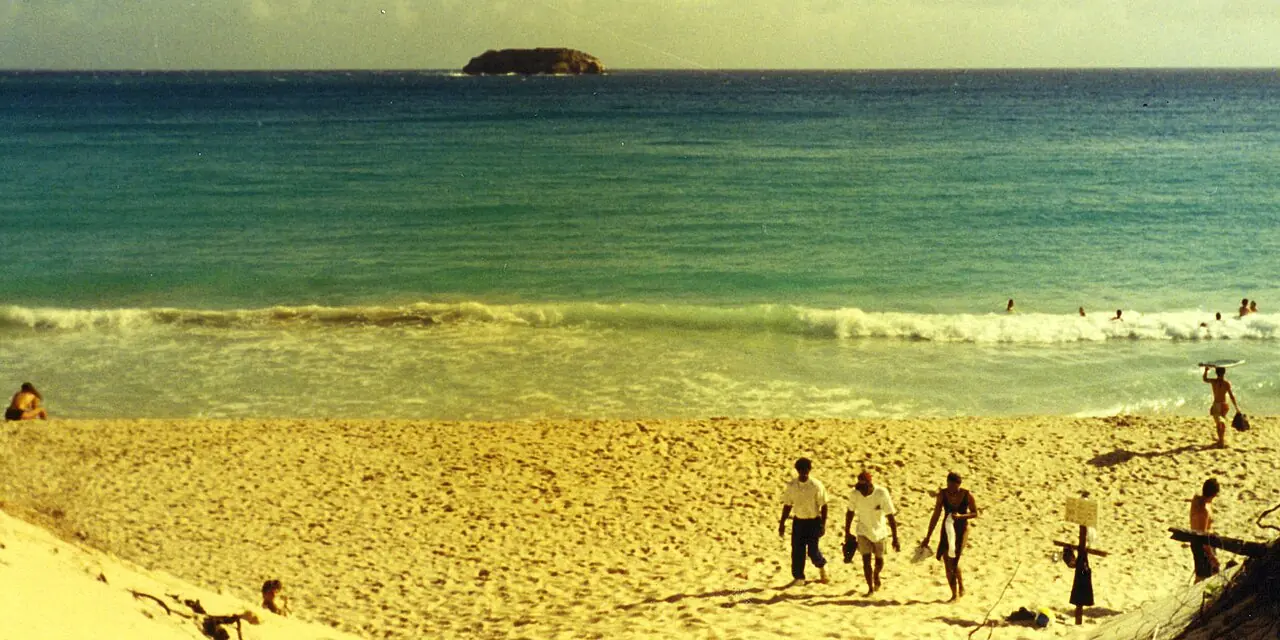
Two remarkable beaches reached by land, backed by hills and valued for their uncluttered, natural setting.
From harbour terraces to discreet hotels, St Barth joins French technique, Caribbean ingredients, fashion, art and architecture.
HISTORY AND STYLE
St Barth’s history includes Indigenous presence, French settlement and a Swedish period still visible in Gustavia’s street names and architecture. Its modern identity grew without erasing the scale of its villages or its attachment to the sea.
Walking through Gustavia gives that history a human scale. The harbour, stone buildings, old forts and Swedish street names sit beside contemporary galleries and terraces. Above the waterfront, viewpoints reveal the town’s red roofs and the surrounding dry hills. Corossol, Lorient and the other neighbourhoods provide a useful contrast, showing a quieter island connected to fishing, family life and long-established traditions.
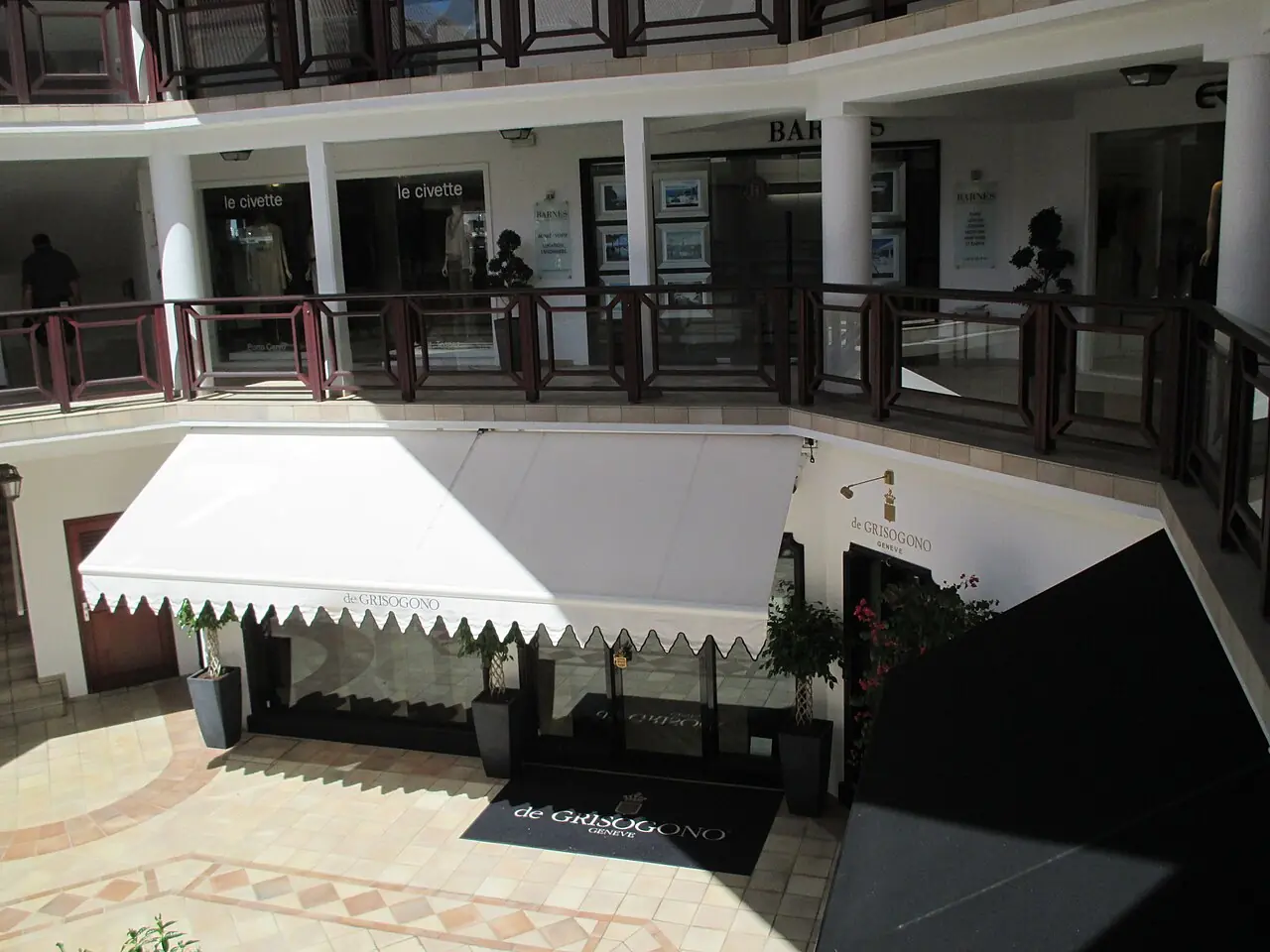
Food is part of the island’s signature. Bakeries, casual beach restaurants and fine dining share an emphasis on quality. Shopping and design are concentrated around Gustavia and Saint-Jean, while quieter districts show another, more intimate side of St Barth.
The island’s compact dimensions encourage a thoughtful pace. Time is better spent exploring one district, enjoying a long lunch and observing the coastline than rushing between every beach. Saint-Jean brings energy, Lorient a more residential character, and the inland roads open onto sea views between stone walls and dry tropical vegetation. This variety explains how St Barth feels both cosmopolitan and unmistakably insular.
From the sea, the island’s relief and sheltered coves become especially legible. Nevertheless, access is never decided by appearance alone: protected sectors, weather, swell, harbour procedures and official instructions all influence the route. Respecting those limits is part of discovering Saint Barthélemy responsibly and preserving the landscapes that make it exceptional.
From Saint Martin, travel time and international formalities make six hours the shortest format offered. An eight-hour day creates more room for Gustavia, lunch and an authorised coastal or swimming moment. Exact navigation always follows local rules and sea conditions.
PRIVATE EXPERIENCES
Six hours offers a carefully paced introduction; eight hours makes the day more generous, with additional time for Gustavia, lunch and authorised coastal discovery.
Practical information
A valid passport is required for every passenger travelling from Saint Martin. Comfortable footwear is useful for Gustavia’s slopes and steps, while sun protection is essential on the water. Restaurant reservations are recommended in the high season.
The marine programme is always indicative. It is adapted to clearance timing, authorised areas, weather, sea state and the group’s pace. Boating Concept does not advertise stops inside protected nature-reserve sectors for this experience.
Tourism reference: Saint-Barthélemy Tourism Committee.